

Dragon Tiger is a stripped-down card game where you bet on whether Dragon or Tiger draws the higher card. The house edge sits between 3.2% and 7.7% depending on the bet. There is no card counting or skill advantage. Strategy boils down to sticking with the main bets, avoiding tie wagers, and managing your bankroll around sessions, not single hands.
What Dragon Tiger Is and Why Malaysian Players Seek Strategy
Dragon Tiger showed up in Cambodian casinos in the 1990s, spread to Macau, and landed in live dealer lobbies by the early 2010s. Malaysian players call it “two-card baccarat” because rounds finish in seconds and there are no drawing rules to memorise.
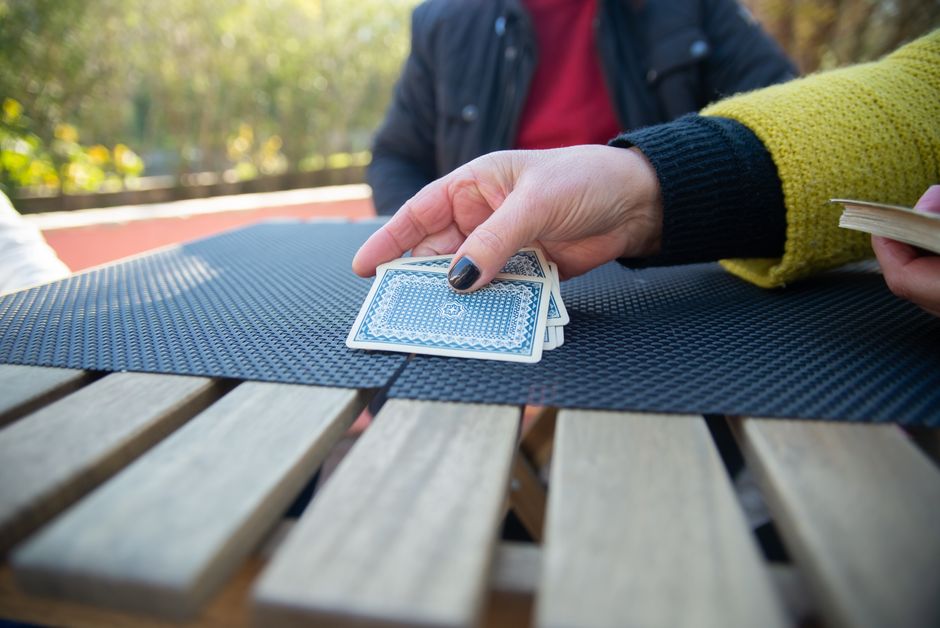
The dealer burns one card, then deals one card face-up to the Dragon position and one to the Tiger position. Whichever side shows the higher card wins. Aces rank low, kings rank high. If both cards match in rank, the hand is a tie.
You can bet on Dragon, Tiger, or Tie. Some tables add side bets on suit or card rank. The round is over in under ten seconds. That speed is the appeal and the danger. Without a deliberate dragon tiger strategy Malaysia players can burn through a bankroll faster than at baccarat or blackjack.
The Math Behind Every Dragon Tiger Bet
Dragon Tiger uses between six and eight decks, shuffled after each round or dealt from a continuous shuffle machine. The house edge comes from two rules: ties push on Dragon and Tiger bets (you get your stake back), and the casino takes half your stake when the result is a tie and you bet on Dragon or Tiger. Some operators return the full stake on a tie, which changes the math.
If a tie returns your full Dragon or Tiger stake, the house edge drops to 3.2%. If the casino takes half your bet on a tie, the edge climbs to 7.7%. Always check the rules card before you sit down or hover over the payout table in a live dealer window.
Side Bet House Edges
Suit bets (predicting whether Dragon or Tiger will draw a specific suit) typically pay 3:1 and carry a house edge around 7.7% to 10%, depending on deck count and whether ties participate. Big/Small bets (predicting whether the card will be above or below seven) sit in a similar range. Exact rank bets carry edges well above 10%.
None of these side wagers improve your position. They exist to inflate table hold, not to reward pattern spotting or intuition.

Core Strategy: Stick to Dragon or Tiger and Avoid Tie Bets
The only defensible dragon tiger strategy Malaysia players can use is to bet on Dragon or Tiger exclusively, find tables that push (not forfeit half) on ties, and ignore every side bet on the layout. That approach gives you a 3.2% house edge, which is comparable to roulette and worse than blackjack, but manageable if you control bet size and session length.
Find Full-Push Tables
Look for Dragon Tiger tables that return your full stake on a tie. The difference between 3.2% and 7.7% house edge is worth hunting down. Live dealer lobbies list this in the rules tab.
Why Tie Bets Fail
A tie occurs roughly once every 14 to 16 hands, depending on deck count. Casinos pay 11:1 on a tie bet. True odds sit closer to 14.5:1. The gap between payout and probability creates a house edge above 32%, making it one of the worst wagers in any table game.
Some players chase ties after a long run of non-tie results, expecting the outcome to “balance.” Cards have no memory. Each shuffle resets probabilities. Chasing a tie is bankroll erosion, not strategy.
Bankroll Management for Dragon Tiger Sessions
Dragon Tiger rounds resolve faster than any other table game. A typical live dealer table completes 60 to 80 hands per hour. If you bet RM10 per hand, you are putting RM600 to RM800 into action every hour. At a 3.2% house edge, expected loss is around RM19 to RM26 per hour. Variance will swing that number session to session, but the long-run average holds.
Session Bankroll and Stop-Loss
Set a session bankroll equal to 30 to 50 base bets. If your base bet is RM10, bring RM300 to RM500. Once you lose that amount, leave the table. Chasing losses in a fast game with a fixed house edge compounds damage.
Set a win goal of 20% to 30% above your starting stack. If you start with RM400 and reach RM520, cash out. The house edge applies to every additional hand. Staying longer gives the casino more opportunities to grind down your stack.
Flat Betting vs Progressive Systems
Flat betting (wagering the same amount every hand) is the most transparent approach. You know your hourly exposure, and variance stays predictable. Progressive systems like Martingale or Fibonacci sound appealing in theory but require unlimited bankroll and no table limits. Malaysian online casinos cap Dragon Tiger bets at RM500 to RM2,000, which stops progression after five to eight consecutive losses.
We tested a Martingale sequence starting at RM10 on a live dealer table with a RM1,000 max bet. After seven consecutive losses, we hit the limit and could not double again. Total loss: RM1,270. One win at the eighth hand would have recovered RM10. The risk-reward ratio does not justify the approach.
Flat Betting
- Exposure is predictable per hour
- Variance stays within manageable range
- No risk of hitting table limit mid-streak
- Easy to calculate expected loss
Martingale / Progression
- Table limits cap recovery after 5-8 losses
- Requires large bankroll for small net gain
- One bad streak wipes out dozens of wins
- House edge applies to every bet equally

Pattern Tracking and Scoreboards: Do They Help?
Most Dragon Tiger tables display a scoreboard showing the last 20 to 50 results. Players track streaks and look for patterns, hoping to predict the next outcome. This is the same behavior seen at baccarat tables, and the same logic applies: each shuffle or round is independent. Past results do not influence future cards.
We logged 500 hands from a live dealer Dragon Tiger table and compared prediction accuracy using three approaches: always betting Dragon, always betting Tiger, and following the last result (bet Dragon if Dragon won, bet Tiger if Tiger won). Win rates clustered between 48.2% and 49.1%. None beat the theoretical 48.7% win expectation for a bet on Dragon or Tiger with ties pushing.
Scoreboards are entertainment, not information. If pattern tracking improved outcomes, casinos would not display the data so prominently.
When to Switch Bet Selection
Since Dragon and Tiger have identical house edges and symmetrical rules, switching between them makes no mathematical difference. Some players switch to break psychological attachment to a losing streak. That is fine as a mental reset, but it does not alter probabilities.
Live Dealer vs RNG Dragon Tiger
Malaysian players encounter Dragon Tiger in two formats: live dealer streams from studios in Asia or the Philippines, and RNG (random number generator) versions built into slot lobbies. Both deliver the same house edge, but the experience differs.
Live Dealer
Live dealer Dragon Tiger runs on real decks, real dealers, and real-time video. You see the shuffle, the burn card, and the deal. Betting windows last 10 to 15 seconds. The pace is fast but visual. This format dominates among Malaysian players because it feels more transparent than software-driven outcomes.
Live dealer tables list rules clearly in the interface. You can verify whether ties push or forfeit half your stake before placing a bet. Limits range from RM1 to RM10,000 per hand, depending on the operator and VIP status.
RNG Dragon Tiger
RNG versions generate results via certified random number algorithms. Rounds finish in seconds, and there is no dealer downtime. The house edge matches live dealer tables (assuming identical rules), but the lack of visual shuffle makes some players uncomfortable. RNG games are useful for testing bet sizing or practicing bankroll discipline without the social pressure of a live table.
For more on how live dealer games function behind the scenes, see our guide on live dealer casino games.
Choosing a Dragon Tiger Table in Malaysian Online Casinos
Not all Dragon Tiger tables operate under the same rules. Before you sit down, verify the following:
- Tie handling: Does the casino push your stake on a tie, or take half? This is the single largest variable in house edge.
- Payout on tie bet: Most pay 11:1, but some pay 8:1 or 10:1, which worsens an already poor wager.
- Table limits: Minimum and maximum bets should match your session bankroll. A RM10 to RM1,000 range is common.
- Deck count: Six or eight decks. More decks slightly increase tie frequency, but the impact on house edge is marginal.
Live dealer lobbies in Malaysian online casinos usually list these details in a rules or info panel. If the information is missing, ask support before depositing. You are entitled to know the exact house edge before risking money.
For a breakdown of reliable deposit and withdrawal methods at Malaysian casinos, see our payment methods guide.
Responsible Play and When to Walk Away
Dragon Tiger delivers speed and simplicity, which makes it easy to lose track of time and bet count. Set a timer for your session. When 30 or 60 minutes pass, take a break regardless of results. If you are chasing losses, stop immediately. The house edge compounds with every additional hand.
If you find yourself betting more than planned or skipping breaks to recover losses, those are warning signs. Our guide on gambling addiction warning signs lists behaviors to watch for. Malaysian players can also access self-exclusion programs through licensed operators if gambling stops being entertainment.
Final Thoughts on Dragon Tiger Strategy for Malaysian Players
Dragon tiger strategy Malaysia players can use comes down to bet selection, table rules, and session discipline. Bet on Dragon or Tiger, find tables that push on ties, skip side bets, and manage your bankroll around hourly exposure, not hand-by-hand swings. There is no way to remove the house edge, but you can avoid inflating it with poor wagers or chasing patterns that do not exist.
The game rewards players who treat it as fast entertainment with a known cost, not a puzzle to solve or a pattern to crack. Set your limits, stick to the main bets, and walk away when the session bankroll is gone or the win goal is met. That approach works in 2026, and it will work next year.
Frequently Asked Questions
What is the house edge in Dragon Tiger?
The house edge on Dragon or Tiger bets ranges from 3.2% if ties push your full stake, to 7.7% if the casino takes half your bet on a tie. Tie bets carry a house edge above 32%. Always check the table rules before playing.
Can you count cards in Dragon Tiger?
No. Most Dragon Tiger tables use continuous shuffle machines or shuffle after every round, making card counting impossible. Even with a shoe, the single-card draw and limited decision tree offer no exploitable advantage.
Should I bet on Dragon or Tiger?
Both bets have identical house edges and symmetrical rules. There is no mathematical reason to prefer one over the other. Choose whichever you like, or alternate for variety.
Are Dragon Tiger patterns and scoreboards useful?
No. Scoreboards track past results, but each round is independent. Past outcomes do not influence future cards. Pattern tracking is entertainment, not a winning strategy.
Is Martingale betting safe in Dragon Tiger?
No. Table limits cap your ability to double after five to eight consecutive losses, and the risk of hitting that limit far outweighs the potential profit. Flat betting is safer and more predictable.
Do Malaysian online casinos offer Dragon Tiger with fair rules?
Most licensed operators serving Malaysian players offer Dragon Tiger with transparent rules, but tie handling varies. Always verify whether ties push or forfeit half your stake before depositing.
How much bankroll do I need for a Dragon Tiger session?
Bring 30 to 50 times your base bet. If you bet RM10 per hand, a session bankroll of RM300 to RM500 gives you enough cushion to handle normal variance without going bust early.
Dragon Tiger rewards discipline over intuition. Stick to the main bets, find tables with fair tie rules, and treat speed as a risk to manage, not a feature to chase. If you want to explore games with lower house edges, our guides on blackjack basic strategy and baccarat tactics cover options where decisions matter more. For faster games with similar simplicity, compare live baccarat tables to see how rule variations shift the math.