
Account security is your responsibility, not just the casino’s. This casino account security checklist covers 12 steps Malaysian players should take: strong unique passwords, two-factor authentication where available, careful payment method selection, regular account monitoring, and what to do if your account is compromised. Most breaches happen because of weak passwords or phishing, not because operators have poor security.

Why Casino Account Security Matters for Malaysian Players
Your casino account holds real money, personal documents (uploaded during KYC verification), and payment details. If someone gains unauthorized access, they can withdraw funds, change withdrawal addresses, or use your identity to open fraudulent accounts elsewhere.
Malaysian players face specific risks. Many offshore casinos targeting Malaysia operate without local regulatory oversight, meaning there’s limited recourse if your account is drained. The legal grey area around online gambling also makes players hesitant to report breaches to authorities.
Most account compromises trace back to predictable causes: reused passwords from data breaches on other sites, phishing emails that look like casino support, logging in on public WiFi without encryption, or malware on your device capturing keystrokes. The casino’s own security can be excellent, but it doesn’t matter if your password is “password123” or you click a fake withdrawal link.
The 12-Step Casino Account Security Checklist
1. Use a Strong, Unique Password
Your casino password should be at least 12 characters, mixing uppercase, lowercase, numbers, and symbols. More importantly, it must be unique to that casino account. If you reuse your email password or banking password, a breach on one site compromises all of them.
A password manager (1Password, Bitwarden, Dashlane) generates and stores unique passwords for each site. You remember one master password; the manager handles the rest. This is the single most effective security step you can take.
2. Enable Two-Factor Authentication (2FA) Where Offered
Not all casinos targeting Malaysia offer 2FA, but when it’s available, enable it. This adds a second verification step (usually a code from your phone) when logging in from a new device. Even if someone steals your password, they can’t access your account without the second factor.
Prefer authenticator apps (Google Authenticator, Authy) over SMS codes. SMS can be intercepted through SIM swapping attacks. If SMS is the only option, it’s still better than nothing.
3. Verify the Casino’s License and Legitimacy
Before depositing, confirm the casino holds a valid license from a recognized regulator (Curacao eGaming, Malta Gaming Authority, UK Gambling Commission). Our guide on how to verify an online casino license walks through the steps.
Licensed operators undergo security audits and must maintain minimum standards for data protection. Unlicensed sites have no such requirements. If the casino doesn’t display license details in the footer or terms, don’t deposit.
4. Use Secure Payment Methods
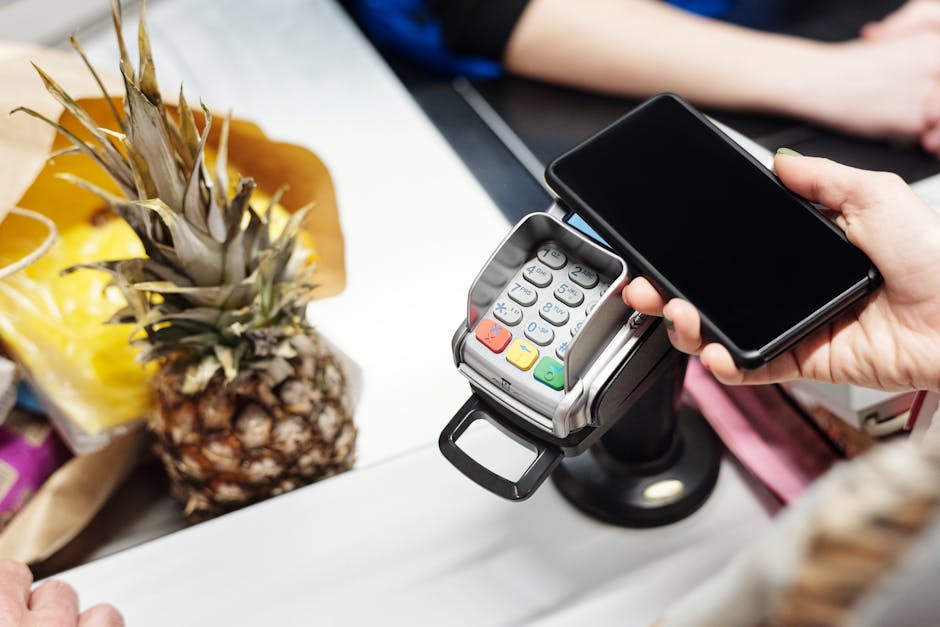
Choose payment methods that add a layer of separation between the casino and your primary bank account. E-wallets (Touch ‘n Go, Boost, GrabPay) and prepaid cards mean you’re not sharing your main banking credentials directly with the casino.
Avoid sending account screenshots or banking login details via email or chat. Legitimate casinos never ask for your online banking password. If support requests this, it’s a scam.
5. Monitor Your Account Activity Regularly
Check your casino account history at least weekly when actively playing. Look for unfamiliar logins, withdrawals you didn’t request, or bet placements you don’t recognize.
Most casinos display recent login times and IP addresses in account settings. If you see a login from a location you’ve never been, change your password immediately and contact support.
Set Calendar Reminders
Add a recurring phone reminder every Sunday to check your casino transaction history. Five minutes per week catches unauthorized activity before it escalates.
6. Be Wary of Phishing Attempts
Phishing emails impersonate casino support, claiming there’s a problem with your account or a bonus waiting to be claimed. The email contains a link to a fake login page that captures your credentials.
Red flags: urgent language (“Account will be suspended!”), sender addresses that don’t match the casino’s official domain, links that go to misspelled URLs (megacasino-my.com instead of megacasino.com). When in doubt, type the casino’s URL directly into your browser instead of clicking email links.
7. Avoid Public WiFi for Casino Logins
Public WiFi at cafes, airports, or hotels is often unencrypted. Attackers on the same network can intercept traffic, including login credentials. If you must use public WiFi, connect through a VPN first (though note some casinos block VPN traffic as an anti-fraud measure).
Mobile data (4G/5G) is significantly more secure than public WiFi for casino logins and withdrawals.
8. Keep Your Devices Secure
Install antivirus software on your computer and keep your phone’s operating system updated. Malware can log keystrokes, capture screenshots, or redirect you to fake casino sites.
Don’t jailbreak your iPhone or root your Android device for casino use. These modifications disable built-in security protections and make malware installation easier.
9. Log Out After Each Session
If you share a device or use a work computer, always log out when you’re done. Browser “Remember Me” checkboxes are convenient but risky on shared devices.
Clear your browser cache and cookies occasionally. This forces a fresh login and removes stored session data that could be exploited if your device is compromised.
10. Don’t Share Your Account
Casino terms prohibit account sharing. If a friend logs in from their device and later gets hacked, your account is now at risk too. Each person should have their own account, in their own name, verified with their own documents.
Account sharing also complicates withdrawals. If the casino detects multiple IPs or devices, they may freeze your account pending investigation.
11. Review Connected Devices and Sessions
Some casinos let you view all logged-in sessions and remotely disconnect devices. If you see an active session you don’t recognize, disconnect it and change your password.
If this feature isn’t available, changing your password forces all existing sessions to log out (on most platforms).
12. Set Up Account Alerts Where Possible
A few casinos offer email or SMS alerts for logins, withdrawals, or large deposits. Enable these if available. Even a 30-second delay between someone withdrawing your funds and you finding out can make a difference in recovering the money.
If the casino doesn’t offer built-in alerts, set up your own system. Check your email for casino transaction receipts and flag unusual ones immediately.
What to Do If Your Account Is Compromised
Speed matters. If you suspect unauthorized access, take these steps immediately:
- Change your password from a secure device. If you can’t log in (password already changed by the attacker), skip to step 2.
- Contact casino support via live chat or email. Request an immediate account freeze to prevent further withdrawals.
- Check your email for password reset requests or withdrawal confirmations you didn’t initiate. If your email is also compromised, secure it first (change email password, enable 2FA).
- Review your payment accounts. If the casino had your bank details or e-wallet information, check for unauthorized transfers. Contact your bank or e-wallet provider to report fraud.
- Document everything. Take screenshots of suspicious transactions, unfamiliar logins, and your correspondence with casino support. If the casino refuses to refund stolen funds, this evidence is essential for disputes.
Most licensed casinos investigate unauthorized access claims. If they determine the breach happened due to your negligence (shared password, no 2FA when available, clicked a phishing link), they may deny liability. If their system was breached, they’re more likely to compensate affected players.
Your Security Responsibilities
- Strong unique password for each casino
- Enable 2FA when offered
- Don’t share login credentials
- Avoid phishing emails and fake sites
- Keep devices malware-free
Casino Security Responsibilities
- Encrypt data transmission (SSL/TLS)
- Secure database storage
- Fraud detection systems
- Regular security audits
- Staff training to prevent social engineering
Both sides have a role. You can’t control whether the casino’s database gets breached, but you can ensure that even if it does, your unique password doesn’t unlock your other accounts.
How Casinos Protect Your Account (And Where They Fall Short)
Reputable operators use 256-bit SSL encryption for data transmission, the same standard banks use. Your login credentials and payment details are encrypted in transit, making them unreadable to anyone intercepting the connection.
Stored data (your personal information, transaction history) should be encrypted at rest and segregated from the casino’s operational systems. Licensed casinos undergo third-party audits to verify these protections are in place.
Fraud detection systems flag unusual activity: logins from new countries, large withdrawal requests shortly after a password change, rapid bet patterns that suggest bot use. When these triggers fire, the casino may lock the account and request additional verification.
Where many casinos fall short is customer support security. Live chat agents often verify identity with weak questions (date of birth, last deposit amount) that are easy for attackers to guess or research. If someone contacts support claiming to have lost access to their email and answers a few basic questions, they may be granted a password reset.
This is why your email account security is critical. If an attacker controls your email, they can reset your casino password through the “Forgot Password” link, bypassing the casino’s security entirely.
Common Security Mistakes Malaysian Players Make
We’ve tested dozens of casinos and spoken to players who’ve had accounts compromised. These patterns show up repeatedly:
- Using the same password across multiple casinos. One site gets hacked, credential lists get sold, and attackers try those credentials on 50 other casinos.
- Clicking casino links in unsolicited emails. If you didn’t request a password reset, don’t click the link. Go directly to the casino site instead.
- Sharing account details with friends who “just want to check it out.” They log in, their device has malware, and your account is compromised.
- Ignoring withdrawal delays. A sudden three-day delay on a usually instant withdrawal could mean someone changed your payment details. Check immediately.
- Using predictable security questions. If the casino lets you set questions like “Mother’s maiden name” or “First pet,” remember that this information is often public on social media. Use random answers and store them in your password manager.
Convenience often conflicts with security. The most secure approach (unique 20-character passwords, 2FA on everything, no saved logins) is also the most tedious. A password manager is the compromise that makes strong security practical.
Account Security vs Responsible Gambling Tools
Account security protects you from external threats. Responsible gambling tools protect you from internal ones (losing control of your play). Both matter, but they’re separate concerns.
Deposit limits, session time reminders, and self-exclusion programs help you manage gambling behavior. They don’t prevent someone from stealing your password and draining your balance.
Conversely, excellent account security won’t stop you from depositing more than you can afford. Use both systems: strong passwords and 2FA for security, deposit limits and reality checks for control.
Final Thoughts on Casino Account Security
Account security is a shared responsibility, but the player’s side matters more than most people assume. Casinos can build fortress-grade systems, but if you use “12345678” as your password, those systems are irrelevant.
This casino account security checklist isn’t exhaustive. Threats evolve, new scams emerge, and what’s secure today may be vulnerable tomorrow. The habits matter more than any single step: unique passwords, skepticism toward unsolicited emails, regular account checks, and quick action when something looks wrong.
Malaysian players have fewer protections than those in regulated markets. You can’t call a local gambling commission if your account is drained. That makes prevention the only realistic strategy. The time you spend securing your account now is time you won’t spend arguing with support later over a withdrawal you didn’t authorize.
Frequently Asked Questions
What makes a casino password strong enough?
A strong casino password is at least 12 characters, combines uppercase and lowercase letters, numbers, and symbols, and is unique to that casino (not reused from other accounts). A password manager can generate and store these automatically, eliminating the need to remember complex strings.
Do online casinos in Malaysia offer two-factor authentication?
Some do, many don't. Two-factor authentication is more common among licensed casinos operating in regulated markets. Offshore casinos targeting Malaysia often skip it. When available, it's usually SMS-based or app-based (Google Authenticator). Always enable it if the option exists.
What should I do if I notice an unfamiliar login on my casino account?
Change your password immediately, using a secure device you trust. Contact casino support to report the unauthorized access and request an account freeze. Check your transaction history for withdrawals or bets you didn't make, and review your email for any password reset or withdrawal confirmation messages you didn't request.
Can I get my money back if someone hacks my casino account?
It depends on how the breach happened and the casino's policies. If the casino's system was compromised, they're more likely to refund stolen funds. If you shared your password, clicked a phishing link, or didn't use available security features like 2FA, the casino may deny liability. Licensed casinos typically investigate unauthorized access claims, but outcomes vary.
Is it safe to use public WiFi to log into my casino account?
No. Public WiFi is often unencrypted, allowing attackers on the same network to intercept your login credentials. Use mobile data (4G/5G) instead, or connect through a VPN if you must use public WiFi. Be aware that some casinos block VPN traffic as part of their fraud prevention measures.
How can I tell if a casino email is a phishing attempt?
Check the sender's email address closely. Phishing emails often use domains that look similar but have slight misspellings ([email protected] instead of [email protected]). Look for urgent language pressuring you to act immediately, and never click links in unsolicited emails. Type the casino URL directly into your browser instead.
Should I share my casino account with friends or family?
No. Casino terms prohibit account sharing, and it creates serious security risks. If someone else logs in from their device and that device is later compromised, your account becomes vulnerable. Each person should create their own account with their own verification documents. Sharing accounts can also complicate withdrawals if the casino detects multiple IP addresses or devices.
Account security starts with the basics: unique passwords, two-factor authentication when available, and skepticism toward unsolicited emails. If you’re new to online casinos, start with our guide on account verification to understand what legitimate operators require. For a broader look at safety, read our piece on common casino scams and how to avoid them. And if you’re evaluating which sites to trust in the first place, our guide on verifying casino licenses walks through the checking process step by step.