
Every spin, card deal, and dice roll at an online casino is controlled by software called a random number generator. Understanding how online casino random number generators work isn’t just technical curiosity—it’s the foundation of knowing whether the games you’re playing are fair or rigged.
Most players never see this machinery. They click spin, watch reels tumble, and either win or lose. But behind that interface sits an algorithm cycling through millions of number sequences per second, determining outcomes before you’ve finished blinking.

What Is a Random Number Generator in Online Casinos?
A random number generator (RNG) is an algorithm that produces sequences of numbers with no discernible pattern. In online gambling, these numbers map directly to game outcomes: which card appears next in blackjack, where the roulette ball lands, which symbols stop on a slot reel.
The type used in legitimate online casinos is called a pseudo-random number generator (PRNG). Unlike true random number generators—which rely on physical processes like radioactive decay or atmospheric noise—PRNGs use mathematical formulas seeded with an initial value. The output appears random and passes statistical tests for randomness, but it’s deterministic: the same seed produces the same sequence.
This distinction matters less than you might think. PRNGs used by reputable game providers cycle through billions of potential outcomes and reset seeds constantly using unpredictable inputs like system timestamps measured to the microsecond. The result is functionally indistinguishable from true randomness for gambling purposes.
How RNGs Generate Game Outcomes
When you click spin on a slot machine, here’s what happens in the milliseconds before you see the result:
- Request sent: Your click triggers a request to the game server.
- RNG called: The server queries its RNG for the next number in the current sequence.
- Outcome mapped: That number gets converted into a game result using a predefined table (e.g., number 4,857,392 = cherry-cherry-lemon).
- Animation displayed: The reels spin and stop at the predetermined result—the spinning is purely visual.
The outcome was decided the instant you clicked. The spinning reels are theatre. This is why “stopping the reels early” by clicking again doesn’t change results—the RNG already delivered its verdict.
The Mathematics Behind Casino RNGs
Most online casino RNGs use algorithms from the Linear Congruential Generator (LCG) family or more complex variants like the Mersenne Twister. These formulas take a seed number, apply modular arithmetic, and output a new number that becomes the seed for the next cycle.
A simplified LCG formula looks like this:
Xn+1 = (aXn + c) mod m
Where X is the sequence value, a is the multiplier, c is the increment, and m is the modulus. Choosing the right values for a, c, and m determines the quality of randomness—poor choices create short repetitive cycles, while optimized values produce sequences with periods in the trillions.
The Mersenne Twister, preferred by many modern game providers, has a period of 219937−1—a number so large it would take longer than the age of the universe to repeat at typical gaming speeds.

How RNGs Are Tested and Certified
Reputable online casinos don’t just claim their RNGs are fair—they submit them to independent testing labs that run statistical analyses and compliance checks. The industry standard involves several layers of verification.
Testing Laboratory Standards
Labs like eCOGRA, iTech Labs, Gaming Laboratories International (GLI), and Technical Systems Testing (TST) perform RNG certification. They run millions of game rounds through the algorithm and measure whether outcomes match the expected statistical distribution.
| Test Type | What It Measures | Pass Threshold |
|---|---|---|
| Chi-squared test | Distribution uniformity | Results fall within 95% confidence interval |
| Serial correlation test | Independence of outcomes | No pattern in consecutive results |
| Runs test | Sequence randomness | Streaks match probability expectations |
| Poker test | Complex pattern detection | Five-outcome combinations distribute properly |
These tests verify two things: uniformity (all outcomes equally likely within their programmed probability) and independence (past results don’t predict future ones). A slot with a 96% RTP should return exactly that over millions of spins, with individual results showing no detectable pattern.
Ongoing Monitoring vs One-Time Certification
Initial RNG certification happens before a game goes live. But legitimate operators also undergo periodic audits—some monthly, others quarterly—where testing labs check that the live RNG hasn’t been tampered with and that actual game logs match the certified distribution.
Casinos licensed by authorities like Malta Gaming Authority, UK Gambling Commission, or Curacao eGaming typically display certification seals in their footer. You can click these to verify the certificate is current. When testing casinos at PayoutCompass, we check for these certificates and flag operators that can’t produce recent RNG audits.
RNG vs RTP: Understanding the Difference
Players often confuse random number generators with Return to Player (RTP) percentages. They’re related but distinct concepts.
The RNG determines individual outcomes—whether this specific spin wins or loses, independent of past or future spins. The RTP is the long-term payout programmed into the game, calculated across millions of rounds. A slot with 96% RTP returns RM96 for every RM100 wagered over its lifetime, but any single session could return RM0 or RM500.
Here’s the key: an RNG can be perfectly random while the RTP is set at 90%, 95%, or 98%. The randomness ensures fairness of outcome distribution; the RTP determines the house edge. Both must be present for a game to be considered fair. A truly random RNG with an 85% RTP is fair but ungenerous. A manipulated RNG with a claimed 97% RTP is simply rigged.
A fair RNG ensures randomness. The RTP percentage determines how much you can expect back. You need both transparency and competitive RTP for a game worth playing.
Red Flags: When to Suspect a Faulty or Rigged RNG
Legitimate variance can feel unfair—losing 20 blackjack hands in a row is statistically possible. But certain patterns suggest problems with the RNG or the casino manipulating outcomes.
Warning Signs of RNG Manipulation
- Results change during withdrawals: You notice a sudden cold streak immediately after requesting a payout.
- Impossible streaks: Outcomes that defy reasonable probability over large sample sizes (e.g., roulette landing red 50 times in 60 spins).
- No visible RNG certification: The casino can’t produce certificates from recognized testing labs.
- White-label games from unknown providers: Legitimate slots come from established studios (Pragmatic Play, NetEnt, Microgaming). Unlicensed casinos sometimes run knockoff versions with altered RNGs.
- Pattern repetition: You notice the same losing sequences recurring in identical order across sessions.
If you’re playing at casinos licensed by reputable authorities and using games from known providers—like those we verify when reviewing sites like BK8 or me88—RNG manipulation is extremely unlikely. The risk increases sharply with unlicensed operators that don’t publish game providers or testing certificates.
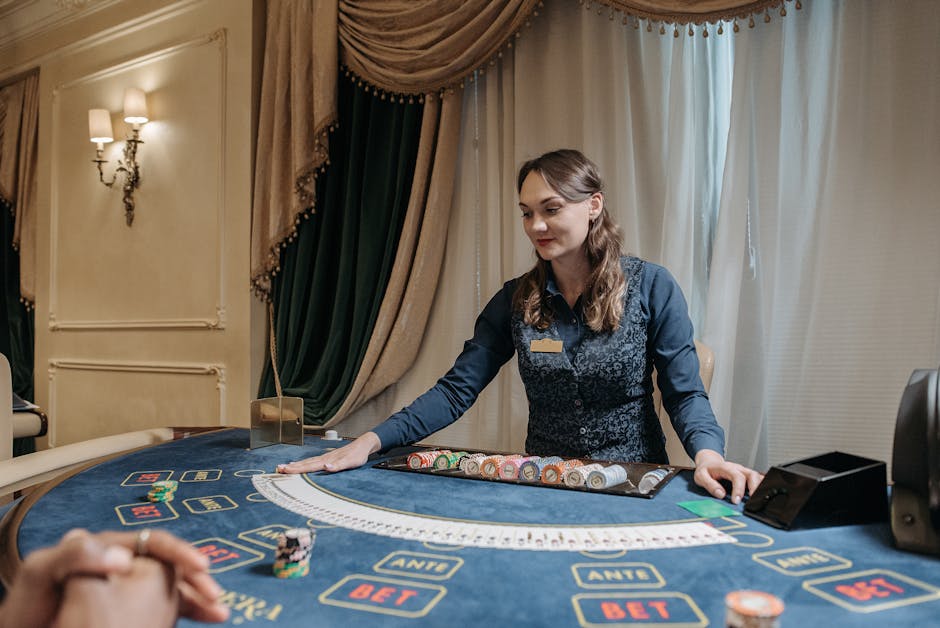
Live Dealer Games: A Different Kind of Random
Live dealer games introduce physical randomness—real cards shuffled by real humans, real roulette wheels spun by real croupiers. There’s no RNG in the traditional sense, but randomness still matters.
Reputable live casino providers like Evolution Gaming, Playtech Live, and Pragmatic Play Live use Automatic Card Shufflers (ACS) and Automatic Ball Launchers (ABL) that introduce physical entropy. Cameras with optical character recognition (OCR) read card values and roulette numbers, translating physical results into digital data displayed on your screen.
The trade-off: physical randomness eliminates concerns about RNG algorithms but introduces new variables—dealer consistency, equipment calibration, shuffle quality. Licensing authorities require regular inspections of live studio equipment, but transparency varies. Some studios broadcast shoe changes and shuffling on camera; others cut away.
For Malaysian players comparing casinos, checking which live dealer providers are available matters. Different game providers have different studio standards, and not all operators offer the same selection.
Provably Fair Systems: The Blockchain Alternative
A newer approach called provably fair gaming allows players to verify each result’s randomness using cryptographic hashing. Common in cryptocurrency casinos, this method works differently than traditional RNGs.
Before each round, the casino generates a server seed (kept secret) and a client seed (often chosen by the player or derived from their input). These seeds combine with a nonce (round counter) and pass through a hashing algorithm like SHA-256, producing a result hash. After the round completes, the casino reveals the server seed, letting players independently verify that the published result matches the hash.
This system eliminates the need to trust third-party auditors—the mathematics itself proves fairness. The downside: it’s currently limited to simpler games like dice, crash, and plinko. Complex slot games with thousands of outcome possibilities don’t adapt well to provably fair mechanics.
Traditional online casinos in Malaysia rarely offer provably fair games, as they stick with conventional slot and table game libraries from established providers. But the technology demonstrates that alternatives to trust-based RNG certification exist.
What Legitimate Operators Do Differently
When we test casinos for PayoutCompass, RNG transparency is one factor we examine. Here’s what separates trustworthy operators from questionable ones:
- Display current certificates: RNG and payout audit certificates from recognized labs are linked in the footer, with issue and expiry dates visible.
- Use tier-one game providers: Games come from licensed studios with their own RNG certifications, not white-label or unknown developers.
- Publish RTP data: Game info screens show the actual RTP percentage, and it matches the provider’s published number.
- Operate under legitimate licenses: Jurisdictions that enforce RNG standards through regulatory oversight.
- Allow independent verification: Some operators publish monthly payout reports or provide game logs showing aggregate win rates.
Casinos that obscure this information—hiding game providers, avoiding certification discussions, offering suspiciously high “guaranteed” RTPs—are the ones to avoid. When we review sites like 12Play or AW8, these transparency markers are part of the assessment.
Common Myths About RNGs
Misunderstanding how RNGs work fuels gambling myths. Let’s clear up the most persistent ones.
Myth: Games Are “Due” to Pay After a Cold Streak
Each RNG outcome is independent. A slot that hasn’t hit a bonus in 500 spins has the exact same probability of triggering one on spin 501 as it did on spin 1. The RNG has no memory and doesn’t track whether you’re winning or losing.
Myth: Higher Bets Improve RNG Results
Bet size doesn’t influence RNG output. The algorithm generates numbers regardless of stake. Betting RM10 per spin instead of RM1 doesn’t make the RNG “pay better”—it just increases potential win amounts when you do hit, and speeds up losses when you don’t.
Myth: Manual Spins vs Auto-Spin Affect Outcomes
The RNG operates continuously, generating numbers whether you’re playing or not. Auto-spin simply automates the request process. Timing your manual clicks to “beat” the RNG is impossible—the algorithm cycles through millions of numbers per second, and network latency means you can’t predict which number you’ll land on.
Myth: New Accounts Have “Lucky” RNG Settings
No legitimate casino adjusts RNG behavior based on account status. The idea that new players get better results to hook them is conspiracy, not mechanism. RNG algorithms don’t receive player data—they just generate numbers that the game server maps to outcomes. Player tracking and RNG operation are separate systems.
Understanding how online casino random number generators actually function helps cut through the noise. Legitimate RNGs, properly tested and transparently certified, ensure that your results come down to mathematics and luck—not casino manipulation. When choosing where to play, prioritize operators that publish their certifications, use recognizable game providers, and submit to regular audits. These aren’t guarantees you’ll win, but they’re guarantees you’ll get a fair shot.
For Malaysian players navigating the offshore casino landscape covered in our legal guide, RNG transparency is one of several factors that separate reputable international operators from risky ones. Combine strong RNG certification with reliable payment processing, responsive customer support, and fair bonus terms, and you’ve found a site worth your time. As always, gamble within your means and remember that even perfect RNGs can’t overcome house edges over the long term.
Frequently Asked Questions
Can online casinos manipulate RNG results to make players lose more?
Casinos licensed by reputable authorities cannot manipulate RNG results without losing their license. Independent testing labs regularly audit game logs to verify that actual outcomes match certified probability distributions. Unlicensed casinos or those using uncertified software pose higher manipulation risk, which is why checking for current RNG certificates from labs like eCOGRA or iTech Labs matters before depositing.
How often are online casino RNGs tested and certified?
Initial certification happens before a game launches, with testing labs running millions of simulated rounds. Reputable casinos undergo follow-up audits monthly or quarterly, where labs verify that live game outcomes still match the certified distribution. Certificates typically expire annually and must be renewed. You can verify current certification by checking the seals displayed in casino footers.
Do live dealer games use random number generators?
Live dealer games rely on physical randomness—real cards, wheels, and dice—rather than software RNGs. Studios use automatic card shufflers and ball launchers to ensure physical entropy, with cameras and optical character recognition translating physical outcomes into digital results. This eliminates RNG algorithm concerns but introduces different variables like equipment calibration and dealer procedures.
What is the difference between RNG and RTP in online slots?
The RNG (random number generator) determines individual spin outcomes with no pattern or memory between spins. RTP (return to player) is the long-term payout percentage programmed into the game, calculated over millions of rounds. A game can have a perfectly fair RNG but low RTP (high house edge), or high RTP with a manipulated RNG. Both transparency in RNG certification and competitive RTP matter for fair play.
Can I verify if an online casino's RNG is fair?
Look for RNG certification seals from recognized testing labs like eCOGRA, iTech Labs, GLI, or TST in the casino footer—these should link to current certificates showing issue and expiry dates. Check that games come from licensed providers like Pragmatic Play, NetEnt, or Microgaming, which maintain their own RNG certifications. Casinos that can't produce recent audit certificates or use unknown game providers carry higher risk.
Do betting patterns or timing affect RNG outcomes?
No. RNG algorithms generate numbers continuously, independent of bet size, timing, or player history. Each outcome is determined by whichever number the RNG produces the millisecond the server receives your request. Trying to time spins, varying bet sizes, or switching between manual and auto-play cannot influence results—the algorithm has no memory and doesn't track player behavior.
Are provably fair systems better than traditional casino RNGs?
Provably fair systems let players verify each result using cryptographic hashing, eliminating the need to trust third-party audits. However, they're currently limited to simpler games like dice and crash, and aren't widely available at mainstream online casinos serving Malaysia. Traditional RNG certification from independent labs remains the industry standard for complex slot and table games, and works effectively when operators comply with regular auditing requirements.