
Live game show casino games are broadcast studio games that mix elements of TV entertainment with real-money gambling. A host runs the show, players place bets on outcomes (wheel spins, dice rolls, card draws), and results are determined by physical randomness, not software RNG. Popular titles include Crazy Time, Monopoly Live, and Dream Catcher. They’re regulated like other live dealer casino games, use real equipment, and offer bonus rounds with multipliers. RTP typically sits between 94% and 96.5%, and most Malaysian online casinos stream them from Evolution Gaming or Playtech studios.

What Is a Live Game Show Casino Game?
A live game show casino game is a hybrid format that takes the structure of a TV game show (spinning wheels, dice drops, bonus rounds, charismatic hosts) and turns it into a betting product. Unlike traditional live roulette or live baccarat, where you’re betting on cards or a ball, game shows let you bet on which segment a wheel will stop on, which number a dice tower will produce, or which door hides the multiplier.
The games are broadcast live from purpose-built studios. A human host introduces each round, engages with the camera, and operates the equipment (or oversees automated wheels and wheels). The results are determined by physical mechanisms: a vertical money wheel with segments, a pair of dice tumbling down an acrylic tower, a deck of cards drawn by the host. No software random number generator is involved in outcome generation, though the stream itself is digital.
The format emerged around 2017 when Evolution Gaming launched Dream Catcher, the first large-scale money wheel game built specifically for online casino audiences. Since then, the category has expanded to include elaborately themed shows with CGI bonus rounds, licensed IP (Monopoly, Deal or No Deal), and increasingly complex multiplier mechanics. In 2026, live game show titles account for a growing share of live casino lobbies, particularly among casual players who find card games intimidating.
How They Differ from Traditional Live Casino Games
Traditional live dealer games replicate physical casino table experiences. You’re playing blackjack, roulette, or baccarat according to long-established rules. The dealer follows a fixed procedure, there’s minimal showmanship, and outcomes are binary or narrowly distributed (win, lose, push).
Game shows, by contrast, are designed for entertainment first. The host performs. There are multiple betting options with wildly different payout structures. Bonus rounds trigger semi-regularly, unlocking multipliers, picking games, or wheel-within-a-wheel mechanics. The pace is slower (one result every 60 to 90 seconds), and the studio design is vibrant, colorful, and laden with branding.
Another distinction: player interaction. Many game show titles display live chat on screen, and hosts read out usernames, respond to emojis, and create a communal viewing experience. Traditional live tables may have chat, but dealers rarely engage beyond procedural phrases.
How Live Game Show Mechanics Work
Every game show follows a repeating loop: betting window opens, host announces the round, players place chips on a betting grid, window closes, host activates the randomization device, outcome is determined, winners are paid, next round begins.
Bet grids are simpler than sportsbook parlays but more varied than roulette layouts. You might have 6 to 12 betting positions, each corresponding to a segment on the wheel or a potential dice outcome. Each position has a payout multiplier (2:1, 5:1, 40:1) and an implied probability based on how many segments or faces represent that outcome.
Randomization Devices
The physical equipment varies by game:
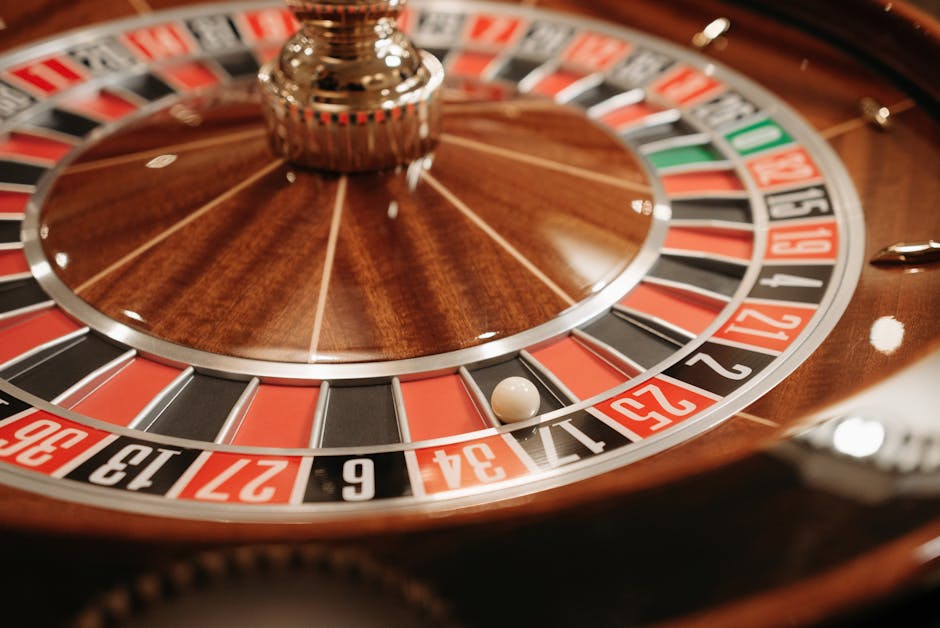
- Money wheels: A large vertical wheel divided into colored segments, each labeled with a number or bonus symbol. The host spins the wheel; a leather flapper at the top determines the stopping position. Used in Dream Catcher, Crazy Time, Monopoly Live.
- Dice towers: Clear acrylic funnels with pegs. The host drops dice into the top; they tumble unpredictably through layers before landing in a tray. Lightning Dice uses three dice; the total is the result.
- Card draws: Less common in pure game shows, but some titles (like Deal or No Deal Live) incorporate card-revealed multipliers or elimination mechanics.
- RNG hybrid rounds: When a bonus round triggers, some games switch to a CGI environment where a software RNG determines outcomes (coin flips, pachinko drops, virtual wheels). These are still regulated, audited, and display the RNG certificate on screen.
The game software captures the physical result via cameras and overlays the outcome on the player’s screen within 1 to 3 seconds. If the wheel stops on “10”, everyone who bet on that segment wins 10:1 on their stake. If a bonus symbol hits, the bonus game launches automatically.
Bonus Rounds and Multipliers
Bonus rounds are where game shows diverge sharply from traditional gambling. When a bonus segment hits (which might occur once every 20 to 50 spins, depending on the game), the action moves to a second-screen experience:
- Crazy Time: Four bonus games (Cash Hunt, Pachinko, Coin Flip, Crazy Time). Each has unique mechanics. Cash Hunt is a shooting gallery where you pick a target and reveal a multiplier. Pachinko drops a puck down a board littered with multipliers. The Crazy Time bonus is a massive virtual wheel with multiplier zones that can re-spin multiple times.
- Monopoly Live: Triggers Mr. Monopoly’s 3D board game. Dice rolls move the character around a virtual Monopoly board. Landing on properties, Chance, and Community Chest awards multipliers and cash prizes. The round continues until you hit “Go” twice or the timer expires.
- Mega Ball: A bingo-lottery hybrid. Players buy cards with numbers. The host draws 20 balls from a machine, marking off matches. A 21st Mega Ball is drawn with a multiplier. If you complete a line and the Mega Ball hits one of your numbers, you win the line payout multiplied by the Mega Ball value.
These bonus rounds add variance and the potential for outsized wins (100x, 500x, occasionally 10,000x or more during rare multiplier cascades). They also extend session time and create viral moments that studios promote on social media.
Why Multipliers Don’t Always Mean Better Value
A bonus round with a 500x potential sounds lucrative, but that outcome is extremely rare and baked into the game’s overall RTP. The base-game RTP and bonus RTP are combined and disclosed in the paytable. Chasing bonuses without understanding the hit frequency can drain your bankroll faster than steady, lower-variance bets.
Popular Live Game Show Titles in 2026
As of mid-2026, the live game show catalog is dominated by Evolution Gaming, which produces around 80% of the titles available to Malaysian players. Playtech and Pragmatic Play Live have also entered the space with their own formats.
| Game | Provider | RTP | Key Feature |
|---|---|---|---|
| Crazy Time | Evolution | 95.41% to 96.08% | Four bonus games, multiplier top slots |
| Monopoly Live | Evolution | 96.23% | 3D Monopoly board bonus round |
| Dream Catcher | Evolution | 96.58% | Simple 54-segment money wheel |
| Mega Ball | Evolution | 95.40% to 95.60% | Bingo-lottery with multiplier ball |
| Lightning Dice | Evolution | 96.20% | Three dice, random multipliers on totals |
| Deal or No Deal Live | Evolution | 95.32% to 96.21% | Qualify round, then briefcase selection |
| Mega Wheel | Pragmatic Play | 96.58% | Money wheel with multiplier boosts |
RTP figures vary by bet type. For example, in Crazy Time, betting on “1” yields 96.08%, while betting on the Crazy Time bonus drops the RTP to 94.67%. The safest bets (numerically speaking) are usually the low-payout, high-frequency segments. Bonus bets trade RTP for volatility and entertainment value.
Why Evolution Dominates
Evolution Gaming pioneered the format and has the infrastructure to scale: multiple studios, dedicated hosts trained in performance and multilingual delivery, and a product release cadence that keeps lobbies fresh. They also license popular IP, giving them access to brands like Monopoly and Deal or No Deal, which carry built-in recognition.
Pragmatic Play Live and Playtech have released competitive titles, but as of 2026, their game show catalogs are smaller, and fewer Malaysian casinos carry them. If a casino offers live game shows, it almost certainly includes at least three Evolution titles.
RTP, Variance, and What to Expect from Your Bankroll
Live game show RTP ranges from roughly 94% to 97%, depending on the game and the specific bet. That’s in line with online slots and slightly below premium European roulette (97.3%). Unlike slots, where RTP is often hidden or hard to verify, live game show RTPs are published in the game rules and independently audited by testing labs like eCOGRA or iTech Labs.
Understanding Hit Frequency
Hit frequency (how often you win anything) is low in game shows compared to blackjack or baccarat. You might place 10 bets on a bonus symbol and see it hit once. During that drought, your balance declines. When the bonus does trigger, you need a decent multiplier to recover the losses and book a profit.
This dynamic makes game shows high-variance entertainment. Short sessions can end in big wins or total loss. Long sessions tend to erode your bankroll toward the RTP unless you hit a rare multiplier spike.
Bankroll Recommendations
If you’re betting RM5 per round and the game runs 40 rounds per hour, you’re putting RM200 in action hourly. With a 96% RTP, the expected loss is RM8 per hour on average. Variance means you could be up RM100 or down RM50 in any given hour. A reasonable session bankroll is 30 to 50 times your average bet (RM150 to RM250 for RM5 bets), enough to survive a cold streak and still be in the game when a bonus triggers.
Chasing losses by increasing bet size is a common trap. The RTP doesn’t improve, and your risk of ruin accelerates. If you’re playing for entertainment, set a session budget and walk away when it’s spent. If you’re playing to turn a profit, these games are not the vehicle; the house edge is structural and unchangeable.
Regulation, Licensing, and Fair Play
Live game show casino games are subject to the same regulatory standards as other live dealer casino games. The studios are licensed in jurisdictions like Malta (MGA), the UK (UKGC), or Curaçao. Equipment is certified for fairness, cameras monitor every angle, and game logs are stored for audit.
The physical randomness (wheel spin, dice tumble) is considered inherently fair as long as the equipment is maintained and unweighted. Third-party testing labs inspect wheels for balance, verify that segment sizes match the published paytable, and confirm that RNG-driven bonus rounds use certified algorithms. Results are also compared against theoretical distribution over millions of rounds to detect anomalies.
For Malaysian players, the safest approach is to play game shows only at casinos that hold recognized licenses and publish their testing certificates. Verifying an online casino license takes five minutes and can save you from unregulated operators that may use rigged or uncertified equipment.
Can Game Shows Be Rigged?
In theory, yes. A studio could weight wheel segments, use biased dice, or manipulate RNG outputs in bonus rounds. In practice, licensed studios operate under constant surveillance, and any tampering would cost them their license, partnerships, and reputation. Evolution Gaming, for instance, serves hundreds of casinos worldwide. A single proven case of rigging would collapse their business.
The risk is higher at unlicensed or white-label casinos that stream from unknown studios. If a casino isn’t transparent about which provider supplies its game shows, or if the studio isn’t listed in any regulator’s database, the fairness of the equipment is unverifiable. Stick to recognizable providers and licensed operators.
Signs of a Legitimate Game Show
- Provider name and license number displayed on screen
- RTP and game rules accessible in-game
- Studio branding matches a known provider
- Testing lab certificate (eCOGRA, iTech Labs, GLI) linked in footer or game info
Red Flags
- No provider name or license information
- RTP not disclosed or unusually low
- Unfamiliar studio with generic branding
- No testing certificates or regulatory links
Where Malaysian Players Can Access Live Game Shows
Most international online casinos that serve Malaysian players include a live casino section with game show titles. Evolution Gaming’s catalog is the most widely available. To access them, you’ll typically need to:
- Register an account and complete KYC verification
- Deposit using a Malaysian-friendly payment method (FPX, DuitNow, TNG eWallet, or bank transfer)
- Navigate to the “Live Casino” or “Game Shows” lobby
- Select a game and wait for the next betting window
Some casinos offer live casino bonuses that apply to game show play, though wagering requirements are usually high (30x to 50x), and game show bets may contribute at a reduced rate (10% or 20%) compared to slots. Read the terms before opting in.
Mobile Play
All major game show titles are optimized for mobile. The stream scales to portrait or landscape orientation, and the betting interface simplifies to touch-friendly buttons. The experience is nearly identical to desktop, though smaller screens can make it harder to track multiplier overlays during bonus rounds. A stable 4G or Wi-Fi connection is essential; lag during a bonus round can mean missed bets or confusion about results.
Are Live Game Shows Worth Playing?
That depends on what you’re after. If you want the highest RTP and lowest house edge, stick to blackjack with optimal strategy or European roulette. If you’re looking for entertainment, spectacle, and the chance (however slim) at a massive multiplier, game shows deliver that experience better than almost any other casino format.
They’re not a long-term winning strategy. The RTP is capped, the variance is high, and the bonus rounds are designed to keep you engaged, not to pay out consistently. But for casual players who enjoy the social atmosphere, the host’s personality, and the thrill of a wheel spin, game shows offer a distinct experience that sits somewhere between gambling and watching a live-streamed variety show.
Approach them with a fixed entertainment budget, the same way you’d budget for a night out or a concert ticket. If you win, great. If you don’t, you’ve paid for an hour or two of engagement. That’s a reasonable trade-off as long as you’re clear on the math and don’t confuse entertainment with investment.
Frequently Asked Questions
What is the difference between a live game show and a regular live dealer game?
Live game shows use entertainment-focused formats (spinning wheels, dice towers, bonus rounds) and are hosted by presenters who engage with the audience. Regular live dealer games replicate traditional casino tables (blackjack, roulette, baccarat) with a procedural dealer and fixed rules. Game shows prioritize spectacle and variety; live dealer games prioritize authenticity and strategy.
Are live game show results determined by RNG or physical equipment?
The main game results (wheel spins, dice rolls) are determined by physical equipment captured on camera. Bonus rounds in some games (like Crazy Time's Pachinko or Coin Flip) use certified RNG software. Both methods are regulated and audited to ensure fairness.
Which live game show has the highest RTP?
Dream Catcher and Pragmatic Play's Mega Wheel both have an RTP of 96.58% when betting on the most frequent segments. Within a single game, RTP varies by bet type. Low-payout, high-frequency bets typically offer better RTP than bonus bets.
Can I play live game shows on my phone?
Yes. All major live game show titles from Evolution, Pragmatic Play, and Playtech are fully optimized for mobile browsers and apps. The stream adapts to portrait or landscape mode, and the betting interface is touch-friendly. A stable internet connection is required.
Do live casino bonuses apply to game show bets?
Some live casino bonuses include game shows, but they often contribute at a reduced rate (10% to 20%) toward wagering requirements compared to slots. Always read the bonus terms to confirm which games are eligible and at what contribution rate.
How often do bonus rounds trigger in live game shows?
Bonus frequency varies by game. In Crazy Time, bonus segments occupy 4 of 54 wheel positions, triggering roughly once every 13 to 14 spins on average. In Monopoly Live, the bonus segment appears on 2 of 54 positions, so roughly once every 27 spins. Actual frequency will vary due to randomness.
Are live game shows legal to play in Malaysia?
Online gambling exists in a legal grey area in Malaysia. There is no specific law that makes playing at offshore licensed casinos illegal for individuals, but operators are not permitted to be based in Malaysia. Players use international casinos licensed in jurisdictions like Malta or Curaçao. For a full breakdown, see our guide on whether online casinos are legal in Malaysia.
If live game shows sound like your kind of entertainment, the next step is understanding how the broader live dealer ecosystem works. Our guide to live dealer casino games covers studio infrastructure, streaming technology, and betting limits. For players who prefer strategy over spectacle, check out our breakdowns of online blackjack casinos in Malaysia and online roulette casinos. And if you’re curious how bonuses apply to live play, read our explainer on live casino bonuses.