
Chat support scams target online casino players by impersonating legitimate customer service representatives through fake live chat windows, phishing emails, and social media messages. These fraudsters use urgency tactics to steal login credentials, payment details, and verification documents. Malaysian players can protect themselves by verifying official support channels, never sharing passwords or one-time codes, and recognizing common red flags like unsolicited contact and requests for remote access.
What Are Online Casino Chat Support Scams?
Chat support scams are social engineering attacks where fraudsters pose as legitimate casino customer service representatives to extract sensitive information from players. Unlike technical hacks that exploit software vulnerabilities, these scams exploit human trust in the casino’s support infrastructure.
The scammer’s goal is typically one of three things: stealing your account credentials to access your casino balance, obtaining banking details to make fraudulent withdrawals, or harvesting identity documents that can be sold or used for identity theft.
These scams have become more sophisticated in 2026 as casinos expand their support channels. Legitimate operators now offer live chat, WhatsApp support, Telegram groups, and email ticketing. Each channel creates a new opportunity for impersonators to insert themselves into the conversation and appear credible.
The scam overlaps with broader online casino fraud tactics, but it specifically targets the trust relationship between player and support staff. Where other scams might involve fake casino sites or rigged games, chat support scams happen on what appears to be the casino’s own communication platform.
How Chat Support Scams Actually Work
The mechanics vary, but most chat support scams follow a predictable pattern. Understanding the playbook helps you recognize the attack before damage occurs.
The Fake Chat Window Pop-Up
You’re browsing a casino site or playing a game when a chat window suddenly appears. It looks identical to the casino’s real support widget, complete with logo, branding, and a friendly greeting from “Agent Sarah” or “Support Team Lead Mike.”
The message claims there’s an urgent issue with your account: unusual login activity detected, a pending withdrawal that needs verification, or a bonus about to expire unless you confirm your details. The agent asks you to verify your username and password “for security purposes.”
In reality, you’re not on the casino’s website at all. You clicked a phishing link in an email or ad, landing on a near-perfect replica of the casino’s homepage. The chat widget is fake, controlled by the scammer. Any information you enter goes directly to them.
The Email Impersonation Route
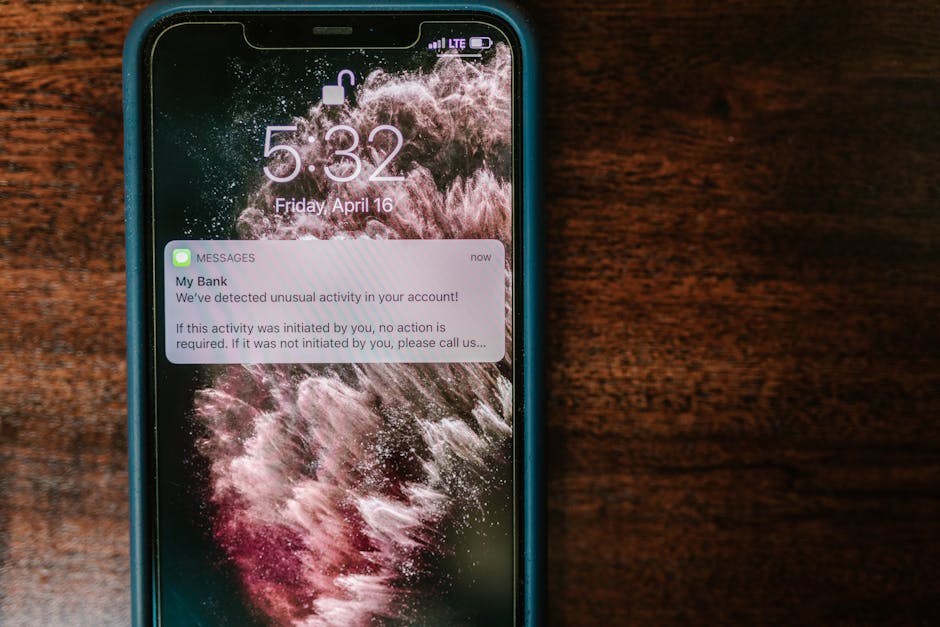
A more common variant starts with an email that appears to come from the casino’s support address. The sender domain looks legitimate at first glance ([email protected] instead of [email protected], for example) and uses official branding.
The email claims your account has been flagged for verification due to regulatory requirements or suspicious activity. It includes a link to “verify your account now” or instructs you to reply with specific information: full name, date of birth, last four digits of your bank account, and answers to security questions.
Some versions include a fake chat transcript showing that “multiple agents” have tried to reach you. The urgency is deliberate. You’re meant to act quickly without examining the sender address or questioning why support would ask for a password via email.
The Social Media Outreach Scam
You post a complaint on the casino’s Facebook page or in a Malaysia online gambling forum. Within minutes, you receive a direct message from an account that looks like the casino’s official profile. Same logo, similar handle (BodaSupport instead of Boda8Official), verified-looking badge.
The “agent” apologizes for your experience and offers to resolve the issue immediately. They ask you to provide your username and email “to pull up your account.” Then they send a link to a “secure verification form” where you’re asked to enter your password and upload a photo of your identity card for KYC verification.
The real casino’s social team never initiates private conversations this way and will never ask for passwords or documents via social messaging.
The Follow-Up Call or Remote Access Request
After you’ve interacted with a fake chat agent, some scammers escalate. They call you from a spoofed number that matches the casino’s listed phone support line. The caller ID shows the casino’s name.
They claim the chat verification didn’t go through and now need to “remotely access your device to complete the security check.” They send a link to download TeamViewer, AnyDesk, or another remote desktop tool.
Once connected, they can see everything on your screen, including saved passwords in your browser, banking apps, and email accounts. Some install keyloggers to capture future logins. By the time you realize what happened, they’ve drained your casino account and potentially your linked bank accounts.
Red Flags: How to Spot a Chat Support Scam
Scammers rely on speed and emotion. Slow down and check for these warning signs before sharing any information.

Unsolicited Contact About Account Issues
Legitimate casinos rarely initiate contact to report account problems. If you receive an unexpected email, message, or pop-up claiming urgent action is needed, verify independently. Open a new browser tab, navigate to the casino’s official site manually, and use their published support contact.
Real security alerts appear when you log into your account dashboard, not via random pop-ups or emails from addresses you’ve never seen before.
Requests for Passwords or One-Time Codes
No legitimate casino support agent will ever ask for your password. Not in chat, not via email, not over the phone. Your password is hashed in the casino’s database; support staff cannot see it and have no reason to request it.
The same applies to one-time codes sent to your phone for two-factor authentication. Those codes are meant for you alone. If an agent asks you to read one aloud or enter it into a form they’ve sent, you’re talking to a scammer.
Pressure to Act Immediately
Scammers manufacture urgency: “Your account will be locked in 15 minutes unless you verify now.” “This bonus expires today and we need your confirmation.” “We’ve detected fraudulent activity and must freeze your funds unless you respond.”
Legitimate support teams understand verification takes time. They don’t threaten account closure for delays. If someone is rushing you, step back and verify the situation through an independent channel.
Mismatched URLs and Sender Addresses
Hover over links before clicking. The displayed text might say “Boda8 Support,” but the actual URL points to boda8-verify.net or a string of random characters. Check email sender addresses carefully, character by character. Scammers register domains that look nearly identical to the real thing.
Look for HTTPS and the correct domain in your browser’s address bar. If you’re unsure, don’t click the link. Navigate to the casino manually and log in through the normal route.
Requests for Remote Access or Software Downloads
There is no legitimate reason for casino support to remotely access your device. Ever. If an agent asks you to download TeamViewer, AnyDesk, or any “security tool,” end the conversation immediately.
The same applies to browser extensions, APK files sent outside the Google Play Store, or executable files attached to emails. These are infection vectors, not support tools.
Legitimate Casino Support
- Never asks for your password or 2FA codes
- Uses verified official domains and email addresses
- Allows time for verification without threats
- Requests documents only through secure account upload portals
- Never initiates DMs on social media with account questions
Chat Support Scammers
- Ask for passwords, PINs, or OTP codes
- Use slightly altered domains or sender addresses
- Create artificial urgency and threaten account locks
- Request documents via email or messaging apps
- Contact you first on social media or WhatsApp
Tactics Scammers Use to Appear Legitimate
Modern chat support scams are polished. Scammers invest effort into looking credible because the payoff from a successful attack can be substantial.
Cloned Branding and Interface Design
Fake chat windows and phishing sites replicate the casino’s color scheme, logo placement, font choices, and even the phrasing used in automated greetings. They scrape content directly from the real site to create pixel-perfect copies.
Some phishing emails include real transaction histories or bonus details, harvested from previous data breaches. Seeing accurate information about your recent deposits makes the message feel authentic, even when it’s not.
Spoofed Contact Information
Caller ID spoofing allows scammers to make their phone number appear as the casino’s official support line. Email headers can be manipulated to display the casino’s legitimate domain in some email clients, even though the actual sender is elsewhere.
Advanced attackers register domains that pass casual inspection: boda8-support.com looks official if you’re not paying close attention. They buy SSL certificates so the fake site shows the padlock icon in your browser, creating a false sense of security.
Social Proof and Fabricated Credentials
Fake support accounts on Facebook, Telegram, and WhatsApp often have hundreds or thousands of followers, created through bot networks. The scammer might share fake screenshots of “resolved cases” to build trust before asking for your details.
Some impersonators use real names and photos of actual casino employees, scraped from LinkedIn or the casino’s About Us page. You think you’re talking to the Head of Customer Success because their profile says so and the photo matches the company website.
What Scammers Do With Your Information
Once a scammer has your credentials or documents, several outcomes are possible. Understanding the consequences underscores why prevention matters.

Immediate Account Takeover
With your username and password, the scammer logs into your casino account. If you have a balance, they attempt to withdraw it to their own payment method. They change your registered email and phone number to lock you out, then contact real support claiming they lost access to the old email (yours) and need it updated.
If your account is linked to e-wallets like Touch ‘n Go or banking apps with saved credentials, they may pivot to draining those accounts as well. The faster you notice and report the breach, the better your chances of freezing the account before funds are moved.
Identity Theft and Document Resale
Scammers who collect identity documents (MyKad scans, utility bills, bank statements) sell them on dark web marketplaces or use them to open accounts at other casinos and financial services. Your identity becomes a tool for further fraud.
Some of this data ends up in credential stuffing attacks, where hackers use your email and password combination to try accessing accounts at other services. If you reuse passwords, the damage spreads beyond the casino.
Bonus Abuse and Wagering Fraud
Sophisticated scammers claim bonuses on your account, wager through them using risk-free strategies (opposite bets on roulette, for example), then withdraw the converted bonus funds. The casino flags your account for abuse, and you’re left dealing with suspension or closure even though you weren’t the one committing the fraud.
This is especially damaging if the scammer uses your account to launder money. Casinos report suspicious activity to regulators, and your name is on the account. Proving you were a victim, not a participant, can be complicated.
How to Verify You’re Talking to Real Casino Support
When you need help, take these steps to confirm you’re communicating with the actual casino and not an impersonator.
Use Only Official Contact Channels
Navigate to the casino’s website by typing the URL directly into your browser or using a bookmark you created. Do not click links in emails or messages. Once on the site, use the contact information listed in the footer or Help section.
For casinos like Boda8 or BP9, verify the chat widget is embedded on the official domain. Check the URL bar. If you’re on a site you reached via a link, open a new tab and navigate there manually to compare.
Cross-Check on Multiple Platforms
If you receive an email from support, log into your account and check for a corresponding message in your account inbox or notifications. Legitimate communication usually appears in both places.
If someone contacts you on Telegram or WhatsApp claiming to be from the casino, ask for a ticket number or case reference, then verify it by contacting support through the casino’s official live chat.
Ask for Verifiable Information
Real support agents can see your account history and recent activity. If you’re uncertain whether you’re talking to the casino, ask them to confirm your last deposit date or the game you played most recently. Scammers won’t have access to this information.
Never share sensitive data first. If they ask for your password or identity card number upfront, you’ve already identified a scam.
Enable Two-Factor Authentication
Even if a scammer gets your password, 2FA adds a second barrier. They’ll need access to your phone to receive the one-time code. This buys you time to notice suspicious login attempts and change your password before they gain control.
Use app-based 2FA (Google Authenticator, Authy) rather than SMS when possible. SIM-swapping attacks can intercept SMS codes, but app-based codes are tied to your device.
Bookmark Official Support Pages
Create browser bookmarks for the support and contact pages of every casino you play at. When you need help, use the bookmark instead of searching Google or clicking email links. This removes the opportunity for phishing sites to intercept you through search ads or lookalike URLs.
What to Do If You’ve Been Targeted or Compromised
If you realize you’ve shared information with a scammer, act immediately. Speed limits the damage.
Change Your Password and Secure Your Account
Log into the casino through the official website (not any link the scammer sent) and change your password. Use a unique, strong password you haven’t used elsewhere. If the scammer has already changed it and locked you out, use the casino’s password recovery tool or contact official support.
Enable or reset two-factor authentication. If you shared your 2FA backup codes, regenerate them.
Contact the Casino’s Real Support Team
Report the incident through the casino’s verified support channel. Explain what happened, what information you shared, and any suspicious activity you’ve noticed. Request that they flag your account for monitoring and freeze any pending withdrawals you didn’t authorize.
Reputable operators have fraud teams trained to handle these situations. They can roll back unauthorized transactions in some cases, especially if you report quickly.
Monitor Your Financial Accounts
If you provided banking details, credit card numbers, or e-wallet login credentials, contact those financial institutions immediately. Report potential fraud, freeze accounts if necessary, and watch for unauthorized transactions.
Check your bank statements and e-wallet transaction histories daily for the next few weeks. Scammers sometimes test small transactions before attempting larger withdrawals.
Report the Scam to Authorities
File a report with the Malaysian Communications and Multimedia Commission (MCMC) or the Royal Malaysia Police’s Commercial Crime Investigation Department. While recovery of funds is difficult, reporting helps authorities track patterns and potentially shut down scammer operations.
If the casino holds a license from a recognized regulator, you can also report the phishing attempt to that licensing authority. They maintain blacklists of known scam domains and may issue warnings to other operators.
Scan Your Device for Malware
If you downloaded any files, clicked executable links, or granted remote access, run a full antivirus scan. Consider resetting your device to factory settings if the compromise was extensive. Change passwords for all your accounts from a clean device, not the one that may be infected.
Why Malaysian Players Are Particularly Vulnerable
Several factors make Malaysian casino players attractive targets for chat support scams.
Regulatory Gray Areas Reduce Recourse
Online gambling occupies a legal gray zone in Malaysia. Many players use offshore casinos that aren’t formally licensed in the country. When fraud occurs, victims hesitate to report it to local authorities because they’re unsure whether their activity was legal in the first place.
Scammers exploit this hesitation. They know Malaysian players may not pursue official complaints, reducing the risk of law enforcement involvement. Understanding the legal landscape helps you know what protections you actually have.
Language and Localization Tricks
Scammers targeting Malaysian players often use Bahasa Malaysia or Manglish (Malaysian English) in their phishing messages, making them feel locally authentic. They reference payment methods specific to Malaysia (FPX, DuitNow, TNG) and mention local bank names to build credibility.
This localization makes the scam harder to spot for players who assume only international, generic phishing attempts are dangerous. A message in Bahasa that mentions Maybank and DuitNow feels more trustworthy than one in broken English referencing PayPal.
Growth in Mobile and Social-First Support
Malaysian players increasingly use mobile devices and prefer chat-based support over email or phone. Casinos have responded by offering WhatsApp and Telegram support channels, which are harder to verify than traditional email or website chat.
These platforms also make impersonation easier. Anyone can create a WhatsApp account with the casino’s name and logo. Players who find the “support number” through a Google search instead of the official website may end up chatting with a scammer without realizing it.
Long-Term Protection Strategies
Beyond reacting to specific scams, build habits that reduce your overall vulnerability.
Maintain Separate Email and Payment Methods for Gambling
Use a dedicated email address for casino accounts, not your primary personal or work email. If that address is compromised in a data breach, it won’t give attackers access to your broader digital life.
Similarly, consider using a separate e-wallet or bank account funded only for gambling. If a casino account is breached and linked payment details are exposed, the damage is contained to that account rather than spreading to your main finances.
Regularly Review Account Activity
Log into your casino accounts every few weeks and check recent logins, transaction history, and account settings. Look for unfamiliar IP addresses, devices, or withdrawal attempts. Catching a compromise early limits the damage.
Many casinos email notifications for logins from new devices or locations. Don’t ignore these alerts. If you receive one for activity you didn’t perform, change your password immediately.
Educate Yourself on Broader Casino Scams
Chat support scams are one tactic in a wider ecosystem of fraud. Understanding common casino scams and how they overlap builds a more complete threat model. Phishing, bonus abuse, fake licensing, rigged games, and payment fraud often share underlying patterns.
Stay informed about new scam types as they emerge. Scammers adapt quickly. A technique that’s rare today may become widespread in months.
Stick to Casinos With Strong Security Practices
Not all casinos invest equally in security. Operators that enforce strict verification, offer robust 2FA options, and provide clear communication about official support channels make it harder for scammers to succeed.
When choosing where to play, prioritize platforms that demonstrate transparency about licensing and regulatory compliance. Casinos under regulatory oversight have stronger incentives to protect player data and respond to fraud reports.
The Casino’s Responsibility in Preventing Support Scams
While players must stay vigilant, casinos also bear responsibility for reducing scam risk.
Operators should clearly list all official support channels on their website and in account dashboards, with warnings not to trust contact information found elsewhere. They should publish verification guides explaining how players can confirm they’re communicating with real support.
Proactive communication helps. If a casino becomes aware of phishing campaigns targeting its players, it should issue warnings via email, in-app notifications, and social media. Players can’t avoid threats they don’t know exist.
Technical measures matter too. Casinos should implement DMARC, SPF, and DKIM email authentication to make it harder for scammers to spoof their domain in phishing emails. They should monitor for lookalike domains and request takedowns when discovered.
Customer service training is another layer. Support agents should never ask for passwords or full card numbers, and they should be equipped to help players who report potential scams. A quick, informed response from the real support team can stop a scam before funds are lost.
Conclusion
Chat support scams succeed because they exploit trust. You expect the casino’s support team to help you, and scammers weaponize that expectation. The good news is that most of these scams rely on predictable tactics. Once you know the patterns (unsolicited urgent messages, requests for passwords, pressure to act immediately, mismatched URLs), they become much easier to spot.
Protection comes down to verification. Use official contact channels, never share passwords or one-time codes, enable two-factor authentication, and slow down when something feels urgent. If you’re unsure whether a message is legitimate, verify independently before responding.
If you do get caught by a scam, report it immediately to the casino and your financial institutions. Speed reduces damage. And remember that falling for a sophisticated phishing attempt doesn’t mean you were careless. These scams are designed by professionals who understand psychology and technology. What matters is how quickly you respond and what you learn for next time.
Online casinos should be entertainment, not a source of stress or financial loss. Taking a few extra seconds to verify who you’re talking to is a small investment that protects your account, your money, and your personal information.
Frequently Asked Questions
How can I tell if a casino chat support message is fake?
Check the URL in your browser to confirm you're on the official casino domain. Legitimate support never asks for your password, one-time codes, or remote access to your device. If you received the message via email or social media, verify by logging into your account manually and contacting support through the casino's official chat widget.
What should I do if I accidentally gave my casino password to a scammer?
Change your password immediately by logging into the casino's official website (not any link the scammer sent). Enable or reset two-factor authentication. Contact the casino's real support team to report the incident and request account monitoring. Check your transaction history for unauthorized activity and monitor linked bank accounts or e-wallets for suspicious withdrawals.
Do legitimate online casinos ever ask for passwords over chat or email?
No. Legitimate casino support staff never ask for your password, PIN, or one-time authentication codes. These credentials are hashed in the casino's system and support cannot see them. Any request for this information, regardless of how official it looks, is a scam attempt.
Why do scammers target Malaysian online casino players specifically?
Malaysian players often use offshore casinos due to local gambling restrictions, making them less likely to report fraud to authorities. Scammers also use localized tactics like Bahasa Malaysia messages and references to Malaysian payment methods (FPX, DuitNow, Touch 'n Go) to build trust and appear legitimate.
Can scammers make their phone number look like the casino's official support line?
Yes, through caller ID spoofing. Scammers can make their number appear as the casino's listed support line when they call you. Always verify unexpected calls by hanging up and calling back using the number listed on the casino's official website, not the number shown in your caller ID.
What is the safest way to contact online casino support?
Navigate directly to the casino's official website by typing the URL into your browser or using a saved bookmark. Use the live chat widget embedded on the site or the contact email listed in the footer. Never click support links in emails or messages, and verify any social media accounts before engaging with them.
Are casino chat support scams covered by responsible gambling protections?
Chat support scams are fraud, not gambling-related harm, so they fall outside typical responsible gambling tools like deposit limits or self-exclusion. However, reporting scams helps casinos improve security measures that protect all players. If you've experienced financial loss from gambling and need support, explore resources through responsible gambling programs and consider using available protection tools.
Now that you understand how chat support scams work and how to avoid them, explore broader casino safety practices in our guide to the most common online casino scams. If you’re setting up a new account, review our verification and KYC guide to understand legitimate security procedures. For help choosing casinos with strong security practices, check our reviews of Boda8 and iBET, where we test withdrawal processes and support responsiveness firsthand.